
Yellow Lentils Nutrition: Benefits and Recipes
7 This makes lentils an excellent source of protein for anyone looking for a plant-based and/or inexpensive protein source to add to their regular diet. There are many varieties of lentils, including brown, green, red, and yellow lentils. The exact nutritional content varies between each type, but all lentils generally boast similar (and impressive) health benefits. “Protein plays an important role in muscle growth and repair, bone development, and immune system [support,]” explains Ingraham.

They’re also low in calories and rich in antioxidants, which can help reduce inflammation and improve heart health. Incorporating yellow lentils in your daily meals can offer a range of health benefits and can add versatility to your diet. By using these tips, you can easily add this nutritious and delicious food to meals, snacks and recipes. Lentils are commonly used in vegetarian and vegan cooking, as they are a good source of protein. For the most health benefits, select brown rice for added fiber and nutrients.
Cooking Techniques That Work
Consuming a diet rich in legumes containing saponins can also reduce the risk of heart disease and control plasma cholesterol in humans [41]. In addition, the oral intake of soya saponin has been used as an adjuvant aid in the treatment of retroviral infection and to prevent obesity [105,106]. Many studies are focusing on their mechanism within, and applications to, dietary supplement development [107,108]. Polyphenols in lentils have a potential role in reducing the occurrence of various cardiovascular diseases (CVDs).
What Happens to Your Body When You Eat Lentils Regularly
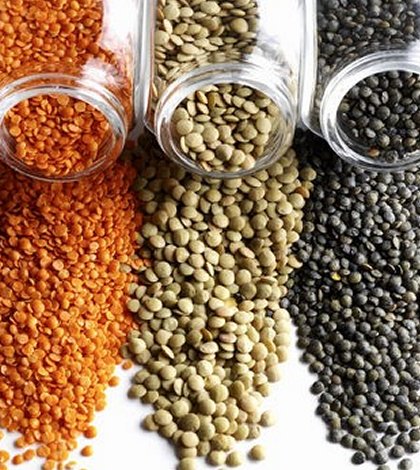
This means that they lack one or more of the essential amino acids that the body needs to build and repair tissues. However, when paired with other plant-based foods, such as whole grains, nuts, and seeds, lentils can provide all the necessary amino acids for optimal health. For example, combining lentils with brown rice or quinoa creates a complete protein that can help support muscle growth and repair. Yellow lentils are a good source of protein, fiber, and various vitamins and minerals. They can help lower cholesterol, regulate blood sugar levels, and improve digestive health, among other benefits. Maintaining healthy blood sugar levels is essential for preventing diabetes and other chronic diseases.
- One very good way to have lentils is after they have sprouted because they contain methionine and cysteine.
- That is why fatigue and tiredness are usually the first symptoms people notice when they are low in iron.
- They may be added to soups, salads, curries, or stews or eaten as a side dish.
- Lentils may help improve blood sugar levels and lipid metabolism in both diabetic and healthy individuals.
- Those who consumed at least 300 g of lentils at each of the substituted meals experienced decreased insulin resistance compared to those who did not eat lentils.
- Store lentils in a cool, dry place, away from direct sunlight and moisture.
These compounds have antioxidant properties and have a key role in preventing diseases such as diabetes, obesity, CVD, and cancer. The development of lentil-based functional food products and nutraceuticals should be widely promoted, due to their nutritional and health-promoting potential. Furthermore, more research is needed to improve and optimize agricultural and culinary circumstances so that the abundant amount of bioactive phytochemicals in lentils can be fully utilized. Lentils are made up of over 25% protein, with 1 cup of cooked lentils containing 17.9 grams of protein.
Uncovering the Nutritional Powerhouse: What are Lentils Made From?
Additionally, lentils can help reduce soil erosion and promote water retention, making them a valuable crop for sustainable agriculture. It’s recommended to choose lentils that are locally sourced and grown using sustainable farming practices to maximize their environmental benefits. Red lentils are often considered easier to digest than yellow lentils, due to their softer texture and higher fiber content.
What’s the best way to cook lentils in a slow cooker?
They are a staple ingredient in many cuisines and are an excellent source of plant-based protein, fiber, and essential minerals. Using yellow lentils is a great way to add healthy nutrients to your diet. Lentils are rich in antioxidants, which can help protect against cell damage and reduce the risk of chronic diseases like heart disease, cancer, and Alzheimer’s disease. They are also a good source of fiber, which can help promote digestive health, lower cholesterol levels, and support healthy blood sugar levels. Additionally, lentils are low in calories and high in protein, making them an excellent option for those looking to lose weight or maintain a healthy weight.
Yellow Lentils For Heart Health
In addition to providing more absorbable nutrients, they’re easier to digest this way and likely cause less gas. Another factor to consider when eating lentils is that they contain lectins, which can also disturb digestion and cause problems for some reviews for unimeal people like IBS. In moderate amounts, these shouldn’t be an issue, but when someone has compromised digestion already, large portions of lentils may trigger digestive discomfort.
Unlock the Power of Lentils: A Comprehensive Guide to Types, Cooking, and Health Benefits
Avoid storing them near heat sources or in direct sunlight, as this can reduce their shelf life and nutritional value. Once cooked, store leftover lentils in the refrigerator for up to 3-4 days. Lentils are a type of legume, which is a class of vegetables that includes beans, peas, and peanuts. They are derived from the seeds of the lentil plant, which is a small, annual legume that is native to the Middle East and Asia. Lentils have been cultivated for thousands of years, with evidence of lentil consumption dating back to ancient civilizations in Egypt, Greece, and Rome.
Both the seeds are lens-shaped, which is probably why they are named Lens culinaris in Latin. They are also one of the oldest known sources of food, dating back more than 9,000 years. Lentils, when used as a replacement ingredient in pasta noodles or for baking, may be a dietary tool for weight management. You don’t need to soak dry lentils overnight in water, unlike many other beans. Homan discusses the benefits of lentils and how they can support your health. Remember, moderation is key, and it’s always best to consult with a healthcare professional before making any significant dietary changes.
Legume of the month: Lentils
They concluded that saponins, mainly concentrated in the hull of legumes, have a very high antioxidant activity [109]. Yes, cooked lentils can be stored in an airtight container in the refrigerator for up to five days or frozen for up to three months for convenient meal prep. A soak of 1-2 hours is usually enough to improve texture, but most lentils can also be cooked without soaking, saving time.
Can lentils be part of a low-carb diet?
Phytate (phytic acid) binds minerals like iron and zinc, impairing their ability to be absorbed and used by the body. It also contributes to anti-cancer properties and plays other preventive roles in conditions like heart disease and insulin resistance. When introducing lentils to babies or toddlers, it’s a good idea to start with small amounts and gradually increase the serving size as they become accustomed to the new food. It’s also a good idea to consult with a pediatrician or healthcare professional before introducing lentils or any new food to a baby or toddler’s diet. Additionally, lentils can be combined with other ingredients, such as vegetables and whole grains, to create a nutritious and balanced meal.
Cooking with Yellow Lentils
Allow the lentils and carrots to cool before transferring them to airtight containers. They can be refrigerated for up to five days or frozen for longer storage. Uniform sizes ensure even cooking, providing a pleasant eating experience. Choose fish, poultry, beans, and nuts; limit red meat and cheese; avoid bacon, cold cuts, and other processed meats.